
Varsity Lakes homes have their own set of quirks—think moisture, cracks, and drainage issues that can sneak up on you. Ever noticed damp patches, that musty smell, or doors that don’t shut quite right? Maybe you’ve seen cracks zig-zagging along the wall or squeaky floors that just won’t settle down. Even the outside of your place—old cladding, foggy windows, or a roof that’s seen better days—can drop hints about bigger problems. Spotting these early can save you a ton of hassle (and money) down the line. Let’s break down what you should be looking for.
Why Varsity Lakes Homes Have Unique Defects
Living in Varsity Lakes means dealing with a damp, coastal climate and local construction quirks. That’s why inspections here need a targeted approach. Here’s how to get started:
– Check the drainage: Does water pool where it shouldn’t?
– Look for moisture issues: Any damp spots or moldy smells?
– Are materials up to the climate?: Some just aren’t made for coastal humidity.
Pro tip: Before you dig in, chat with your inspector or builder about:
– What’s common in the area
– How to spot hidden (latent) problems
– Trouble signs to watch for
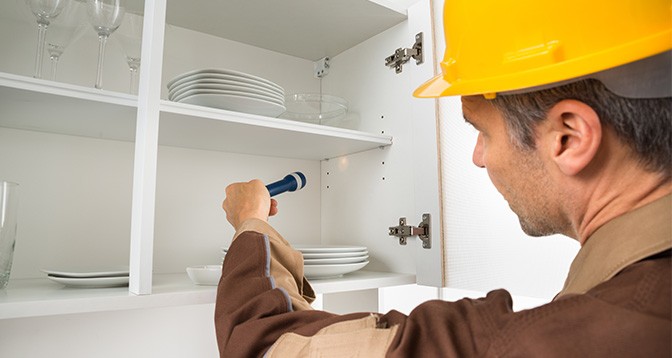
Keep things organized with a checklist—outside, roof, inside—and always take photos and notes. Not sure what you’re seeing? Don’t guess—ask a pro! If you need reliable expertise, you can easily book on their website.
Spotting Structural Cracks: When to Chill and When to Worry
Not all cracks are created equal! Here’s how to tell if you can relax or if it’s time to call in the experts:
Early Signs of Cracking
– Hairline cracks (<0.5mm): These are usually just cosmetic.
– Where are they? Look for:
– Stair-step cracks in brickwork
– Diagonal lines at window/door corners
– Horizontal splits above doors/windows
What to do:
– Measure and photograph them
– Track if they grow or change over a few weeks
– Check for other weird stuff, like doors sticking or frames warping
“Uh-Oh” Warning Signs
– Cracks are getting wider or longer
– Doors/windows are sticking or won’t close right
– Cracks keep coming back after repairs
– You spot damp patches or mold near cracks
Bottom line:
If cracks are growing or you see other issues, don’t wait—get a professional assessment.
Mold and Damp: Smells and Stains You Can’t Ignore
Let’s be real—if your house smells funky, there’s probably damp or mold lurking. Here’s what to keep an eye (and nose) out for:
– Musty odors: Especially after rain or in closed-up rooms
– Stains on walls/ceilings: Any new or spreading patches are suspect
– Condensation: Around windows, in bathrooms, or laundry areas
Quick checks:
– Use a moisture meter if you have one
– Note where and when problems pop up
– Check if anyone in the house has allergy-type symptoms
If you clean up but the problem comes back, it’s time to call in the pros.
Drainage: Why Water Pooling is a Big Deal
When water hangs around your foundation, it’s bad news. Here’s why:
– Soil gets soggy: Which can crack or shift your foundation
– Walls can move: Yep, you read that right
Don’t fall for these drainage myths:
– “It only happens when it rains hard.” (Nope, even light rain can cause issues over time.)
– “A single downspout fixes everything.” (Nice try.)
What you can do:
– Redirect downspouts away from the house
– Build up soil so water flows away, not toward your foundation
– Install French drains or swales if needed
Pro tip:
After a big rain, walk around your house and see where water pools. Take notes!
Exterior Cladding: Age and Water Woes
Your home’s “skin” needs some love too! Here’s what to look for:
Signs Cladding is Getting Old
– Cracks, peeling paint, or warped panels
– Loose or missing fasteners
– Uneven or powdery surfaces
Check especially around:
– Corners and where materials meet the ground
– Seams and joints
Water Intrusion Clues
– Stains or paint bubbling
– White, chalky residue (efflorescence)
– Damp or soft spots behind the cladding
Tap the panels—do they sound hollow? That could mean water’s gotten in.
Windows and Doors: Condensation & Other Red Flags
Condensation inside your windows? Gaps around frames? Here’s what you should check:
– Seals & caulking: Are they cracked or missing?
– Hardware: Do latches and hinges work smoothly?
– Glazing: Any fogging or moisture between panes?
– Frames: Warped or sticking? That could mean movement or poor installation
If you see these issues, your energy bills might be higher and you could have hidden moisture problems.
Roofing & Attic: Hidden Problems Up Top
Your roof and attic are easy to ignore—until something goes wrong!
– Shingles: Curling, missing, or losing granules
– Flashing: Rusty, loose, or missing around vents and chimneys
– Attic ventilation: Are vents blocked? Any signs of mold or condensation?
What to do:
– Check after storms, especially if you have big trees nearby
– Make sure insulation isn’t blocking airflow in the attic
– Schedule regular maintenance—it’ll save you money in the long run
Subfloor Movement & Drywall Cracks: Double Trouble
Floor squeaks or bounces? Drywall cracks nearby? They might be related.
– Floor issues: Squeaks, uneven steps, bouncy spots
– Wall/ceiling cracks: Especially near doors, corners, or seams
Steps to take:
– Map out where you see problems
– Measure cracks and floor dips
– Compare to other rooms to spot patterns
Could be moisture, settling, or something structural—get it checked out to be safe.
Workmanship Worries: What’s Hiding Behind the Finish?
Sometimes things look fine on the surface but aren’t underneath. Here’s how to dig a little deeper:
– Take photos and notes of anything that doesn’t look right (uneven surfaces, gaps, sloppy finishing)
– Check if issues line up with the common problem areas listed above
– Don’t jump to conclusions—sometimes it’s cosmetic, sometimes it’s serious
– If in doubt, get a pro to take a look
Remember:
Trying to patch up the surface without fixing the root cause is just asking for trouble later.
Quick Summary: Your Varsity Lakes Home Inspection Checklist
– Drainage: Water goes away from the house, not toward it
– Moisture/Mold: No musty smells, stains, or persistent dampness
– Cracks: Track them and act fast if they’re growing or causing other issues
– Cladding: No peeling, warping, or soft spots
– Windows/Doors: Seals tight, open/close smoothly, no fogging
– Roof/Attic: Shingles and vents in good shape, no leaks or mold
– Floors & Walls: No squeaks, bounce, or repeated cracks
– Workmanship: Trust your gut—if something looks off, investigate!
If you spot any of these red flags, don’t ignore them. Tackling issues early keeps your home safe, comfortable, and ready for whatever the Gold Coast weather throws its way.
Need more help or want a pro to take a look? Don’t wait—small problems get big fast!