
A tactical trauma refill kit plays an important role in maintaining readiness during medical emergencies. Replacing used or expired supplies ensures that critical care tools remain effective when rapid response matters most. Choosing the right refill kit can improve organization, speed, and overall emergency preparedness in demanding situations.
High-Quality Bleeding Control Supplies
Severe bleeding requires immediate attention, making reliable hemorrhage control items a top priority in any refill kit. Durable and properly packaged components help maintain performance under pressure.
Important supplies may include:
- Compression bandages for wound stabilization
- Sterile gauze rolls for wound packing
- Haemostatic dressings designed to support clotting
- Trauma pads for heavy bleeding management
- Durable tourniquets for rapid limb compression
Well-sealed packaging also protects medical items from moisture, dirt, and contamination.
Compact And Organized Design
A refill kit should support quick access to supplies during stressful moments. Organized packaging allows users to locate essential tools without confusion or delay.
Look for features such as:
- Clearly separated medical components
- Vacuum-sealed packaging for space efficiency
- Lightweight refill bundles for portability
- Easy-to-read labeling for rapid identification
- Logical arrangement of trauma care items
Efficient organization can reduce response time and improve overall effectiveness during emergencies.
Durable And Reliable Materials
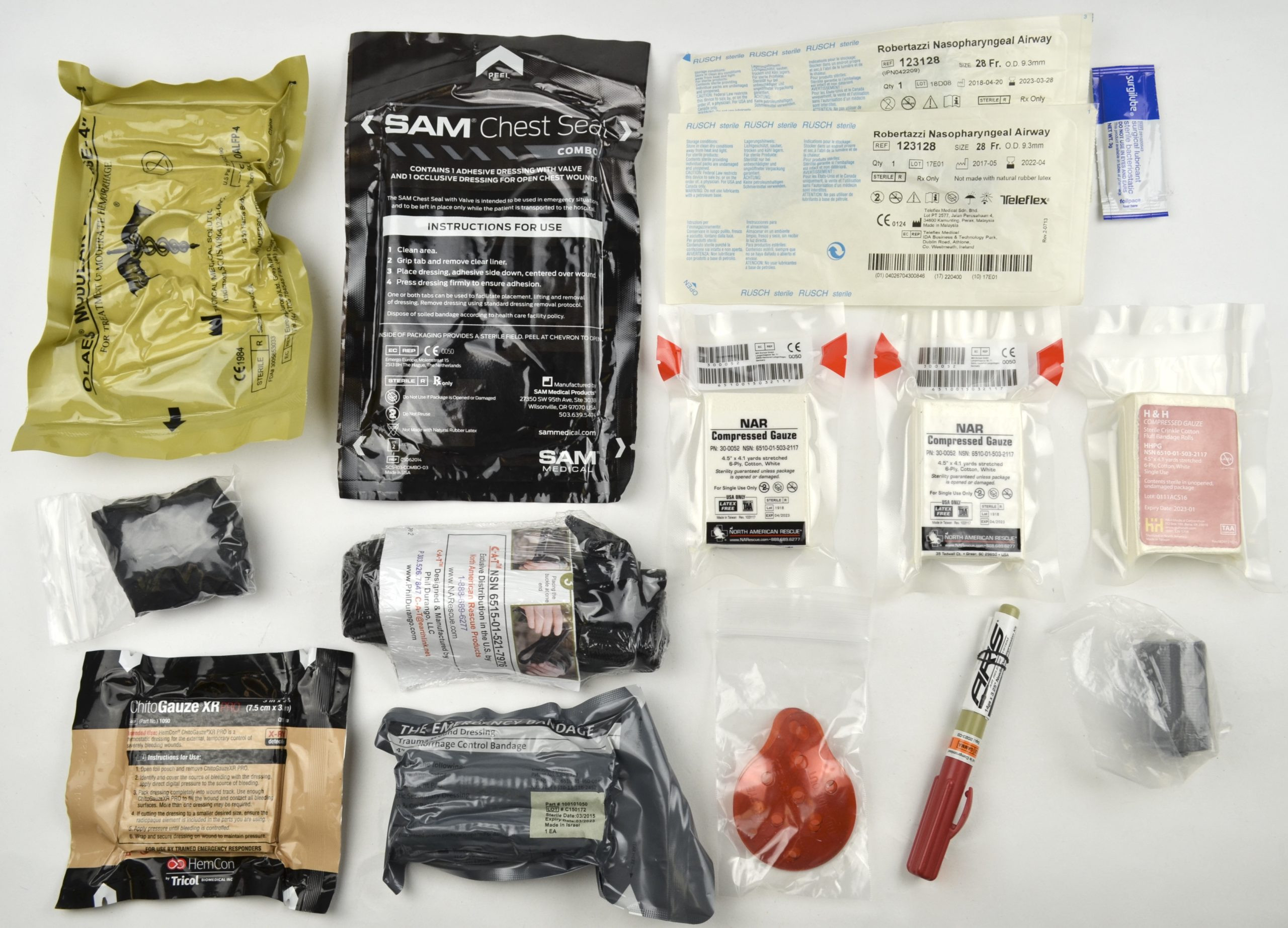
Medical supplies exposed to rough conditions must maintain strength and functionality. Refill kits made with durable materials help ensure https://rhinorescuestore.com/products/rhino-tactical-trauma-kitb-refill-ifak-with-metal-tourniquet dependable performance when needed most.
Strong components often include:
- Tear-resistant wrapping
- Flexible yet secure bandages
- Heavy-duty gloves
- Durable adhesive materials
- Reinforced emergency shears
Reliable construction supports long-term storage and dependable use in outdoor, tactical, or high-movement environments.
Essential Airway And Breathing Support
A complete trauma refill kit should contain supplies that assist with airway management and breathing emergencies. These items add another layer of preparedness for critical incidents.
Helpful additions may include:
- Chest seals for penetrating injuries
- Nasopharyngeal airway tools
- Ventilated dressings
- Medical tape for securing equipment
- Protective face shields for emergency assistance
Including breathing support supplies creates a more versatile and capable trauma care setup.
Hygiene And Infection Protection
Clean medical treatment is important during emergency care. Refill kits that include protective items help reduce contamination risks while supporting safer wound management.
Useful protective components include:
- Sterile gloves
- Antiseptic wipes
- Alcohol prep pads
- Disposable protective barriers
- Biohazard disposal bags
Proper hygiene supplies help maintain cleaner treatment conditions and support safer patient care.
Long Shelf Life And Fresh Components
Medical items should remain dependable during storage. A quality refill kit contains fresh supplies with clearly marked expiration dates for easier inventory management.
Look for:
- Recently manufactured components
- Individually sealed sterile items
- Clearly labeled expiration information
- Moisture-resistant packaging
- Consistent quality control standards
Fresh and properly stored equipment increases confidence during emergency response situations.
Compatibility With Existing Trauma Kits
A refill kit should fit smoothly into existing medical pouches or emergency bags. Flexible compatibility allows users to restock gear without replacing their entire setup.
Helpful compatibility features include:
- Standard-sized medical supplies
- Modular refill packaging
- Multi-purpose wound care items
- Compact storage dimensions
- Balanced supply selection for different emergencies
A well-matched refill kit simplifies restocking while improving overall preparedness.
Selecting the right tactical trauma refill kit involves more than simply replacing used supplies. High-quality bleeding control tools, organized packaging, durable materials, airway support items, and hygiene protection all contribute to a stronger emergency response system. A thoughtfully designed refill kit helps maintain readiness, supports fast action, and provides greater confidence during critical situations where reliable medical gear can make a meaningful difference.